
Gum Disease
Gum disease can also lead to situations where extraction becomes necessary. When periodontal disease has progressed to the point where it destroys the bone and ligaments supporting a tooth, the tooth may become too loose to function properly. In these cases, gentle removal allows the area to heal and prevents damage to your neighboring teeth.
Wisdom Tooth Removal
Wisdom teeth often need to be removed simply because there isn’t enough room for them in your mouth. These third molars frequently become impacted, meaning they can’t fully emerge through your gums. When this happens, they can cause discomfort, push against other teeth, and create areas that are difficult to clean properly. Our trusted team carefully evaluates each situation to determine the best timing for wisdom tooth removal.
Making Room for Straighter Teeth
Sometimes, tooth extraction is a necessary step in creating a well-aligned, even smile. When your mouth is too crowded for all your teeth to fit comfortably, removing certain teeth creates the space needed for orthodontic treatment to work effectively. This strategic approach helps ensure your remaining teeth can move into their ideal positions.

What Does the Tooth Extraction Process Entail?
At Richard Hardt, D.D.S., your comfort is our top priority throughout the entire extraction process. We begin with a thorough yet gentle examination, including X-rays, to gain a clear understanding of the situation and plan the most comfortable approach for your unique needs.
We always use local anesthesia to ensure you won’t feel any pain during the procedure. If you feel anxious about dental procedures, we’re happy to discuss sedation options that can help you feel completely relaxed and at ease.
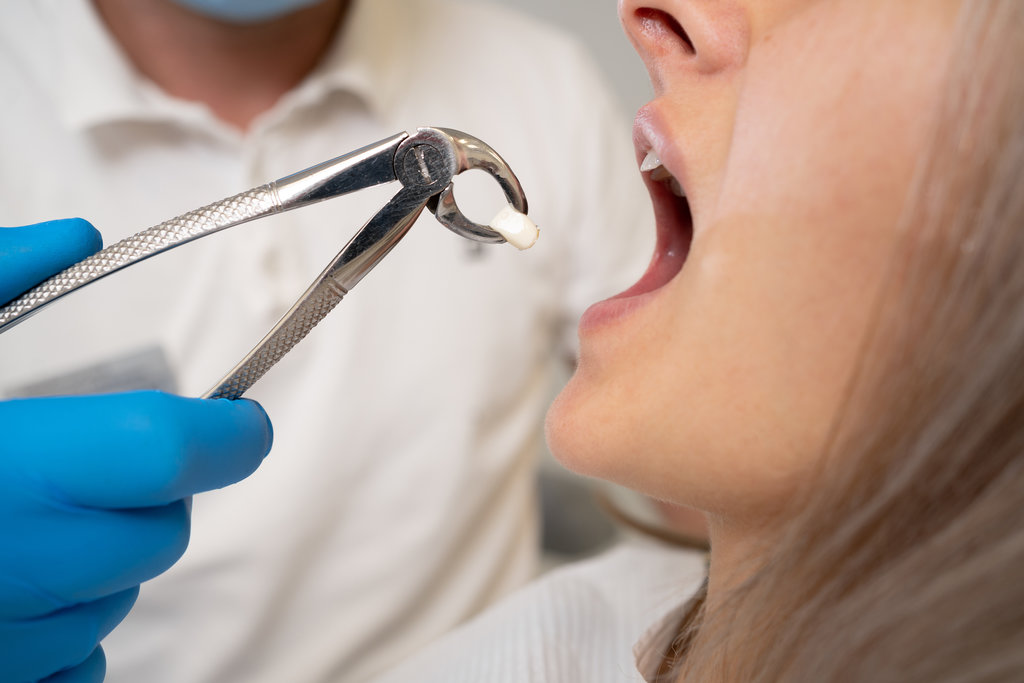
Our gentle technique focuses on minimizing any trauma to the surrounding tissues, which means faster healing and less discomfort afterward. Dr. Hardt and his team use specialized instruments to carefully and efficiently remove the tooth. Throughout the entire process, we continually monitor your comfort level and make adjustments as needed.
Post-Extraction Care and Recovery
Proper care following your tooth extraction significantly impacts healing time and comfort during recovery. After your procedure, we provide comprehensive instructions to guide your at-home care. These typically include using ice packs to manage swelling, maintaining a soft food diet in the days following extraction, and taking prescribed or over-the-counter pain medications as directed.
Dry socket prevention is an important aspect of post-extraction care. This painful condition occurs when the blood clot at the extraction site becomes dislodged or dissolves prematurely. Following our care instructions carefully helps minimize this risk. The extraction site generally begins healing immediately, though complete healing may take several weeks, depending on the complexity of your extraction.
What Is Recovery Like After a Tooth Extraction?
We want your recovery to be as smooth and comfortable as possible, so we provide you with detailed, easy-to-follow aftercare instructions. The first day after your extraction is the most important for proper healing, as a protective blood clot forms over the extraction site during this period.
You may experience some mild discomfort for a few days following your extraction, which is a completely normal reaction. Dry socket is a condition that can occur after a tooth extraction when the blood clot becomes displaced, but following our aftercare guidelines significantly reduces this risk. Our caring team is always here to answer any questions or address concerns during your recovery. We’ll schedule follow-up visits to ensure everything is healing properly and you’re feeling well.
Tooth Replacement Options After an Extraction
While extraction solves the immediate problem, we also want to help you maintain a full, functional smile. If you had a tooth extracted due to decay or gum disease, replacing the tooth helps stimulate the jawbone, keeps the rest of your teeth in place, and prevents future issues. We offer several options for replacing missing teeth that can restore both the function and appearance of your smile, including the following:
Dental Implants
Dental implants are the gold standard for tooth replacement because they look and feel so much like natural teeth. These titanium posts are gently placed into the jawbone and topped with a custom crown that perfectly matches your other teeth. Implants also help keep your jawbone healthy and strong.
Dental Bridges
Dental bridges offer another excellent way to fill the gap left by extraction. A bridge uses the teeth on either side of the space as anchors to support a natural-looking replacement tooth that blends seamlessly with your smile.
Experience the Difference of Gentle, Professional Care
Tooth extraction requires not just technical skill, but also a caring touch and genuine concern for your comfort. At Richard Hardt’s Live Oak Dental Group, we combine Dr. Hardt’s 34+ years of experience with the fresh perspectives of Dr. Cruz and Dr. Lewis to provide extractions that are both gentle and highly successful.
We understand needing a tooth extracted can feel daunting, but putting off necessary treatment often leads to more complex problems down the road. Our friendly team is here to guide you through every step of the process, from your initial consultation to your complete recovery. When you’re ready to take care of your oral health with a team that truly cares about your comfort and well-being, give us a call at (559) 784-6523 or reach out through our contact form.
Frequently asked questions
How long should I wait before considering replacing an extracted tooth?
The timing for tooth replacement varies depending on the extraction location and your healing response. For front teeth that affect appearance and speech, temporary solutions can often be placed immediately. For permanent replacements like dental implants, waiting 3-4 months allows for proper bone healing and integration. However, delaying replacement too long can cause adjacent teeth to shift and bone loss to occur. Dr. Hardt will discuss replacement options during your extraction consultation and help you plan the optimal timeline for your specific situation.
What are the warning signs that my extraction site isn't healing properly?
Normal healing involves some discomfort, mild swelling, and gradual improvement over the first week. Warning signs include severe, worsening pain after the third day, foul odor or taste from the extraction site, visible bone in the socket, or swelling that increases rather than decreases after 48 hours. Dry socket, a common complication, causes intense pain that radiates to the ear and jaw. If you experience any of these symptoms, contact our office immediately as prompt treatment can prevent complications and provide relief.
Can I drive myself home after a tooth extraction, or do I need someone to pick me up?
If you receive only local anesthesia for a simple extraction, you can typically drive yourself home once the numbness wears off and you feel comfortable. However, if you receive sedation dentistry options like nitrous oxide, oral sedation, or IV sedation, you’ll need someone to drive you home and stay with you for several hours. Even with local anesthesia alone, some patients prefer to have someone drive them due to residual numbness or anxiety. We’ll discuss your specific sedation plan and transportation needs during your consultation.
Is it better to save a damaged tooth or have it extracted and replaced?
Modern dentistry prioritizes saving natural teeth whenever possible through treatments like root canals, crowns, or other restorative procedures. However, extraction becomes the better option when a tooth is severely damaged by decay, trauma, or infection that makes restoration impractical or unsuccessful long-term. Factors we consider include the extent of damage, cost of restoration versus replacement, your overall oral health, and the tooth’s strategic importance. Dr. Hardt will thoroughly evaluate your specific situation and discuss all viable options before recommending extraction.
What foods can I eat immediately after extraction, and when can I return to normal eating?
For the first 24-48 hours, stick to soft, cool foods like yogurt, pudding, smoothies, mashed potatoes, and soup (not too hot). Avoid using straws, as the suction can dislodge the blood clot. Gradually introduce slightly firmer foods like pasta and scrambled eggs as comfort allows, typically after 2-3 days. Most patients can return to normal eating within a week, though you should continue avoiding hard, crunchy, or sticky foods near the extraction site until complete healing occurs, usually 2-3 weeks depending on the complexity of your extraction.