
Our Pediatric Services
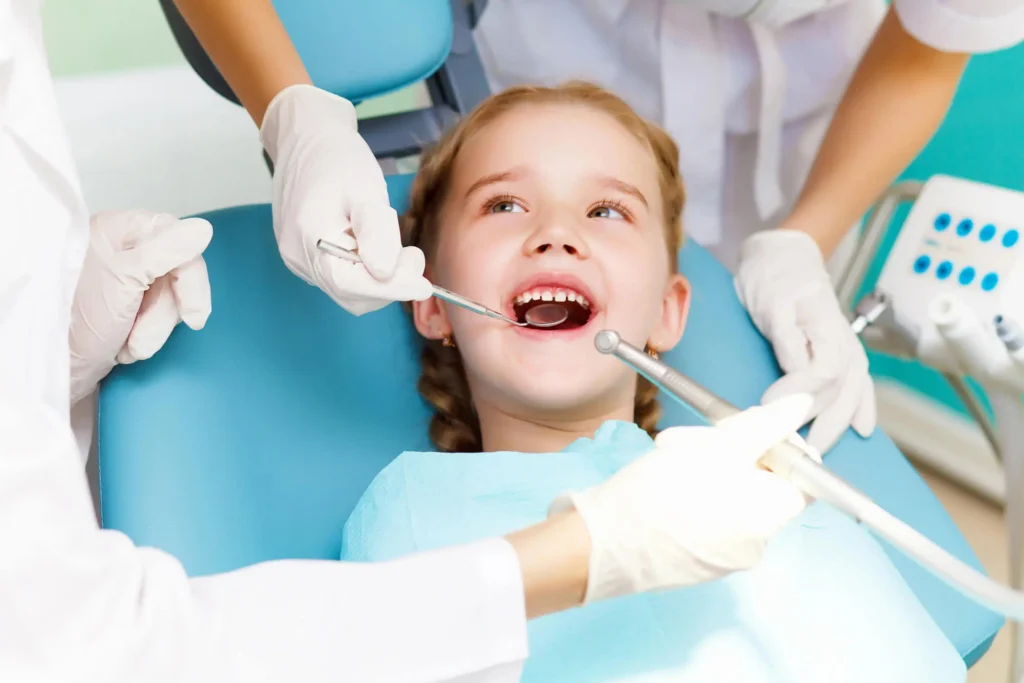
Even children who brush and floss regularly can miss spots where plaque and tartar accumulate. Professional cleanings remove buildup from hard-to-reach areas, reducing your child’s risk of cavities and gum disease. Our hygienists are experienced with young patients and use a gentle approach that keeps kids relaxed throughout the cleaning.
If your child develops a cavity, we use tooth-colored composite fillings to restore the tooth’s structure and stop decay from spreading. These fillings blend naturally with your child’s teeth and are free of the mercury found in traditional silver fillings.
Fluoride is a mineral that strengthens tooth enamel and helps prevent cavities. Our fluoride treatments are quick, painless, and especially beneficial for children whose permanent teeth are still developing. The treatment takes just minutes and provides months of added protection against decay.
During your child’s routine checkup, we examine their teeth, gums, bite, and overall oral structures to ensure everything is developing properly. We check for signs of decay, monitor the eruption of permanent teeth, and identify any alignment issues that may benefit from early intervention. We also perform oral cancer screenings as part of every comprehensive exam.
The chewing surfaces of back teeth have deep grooves where food particles and bacteria love to hide. Dental sealants are thin protective coatings applied to these surfaces that seal off the grooves and prevent cavities from forming. Sealants are quick to apply, completely painless, and can protect your child’s teeth for years.
How Can I Help My Child Feel Comfortable at the Dentist?
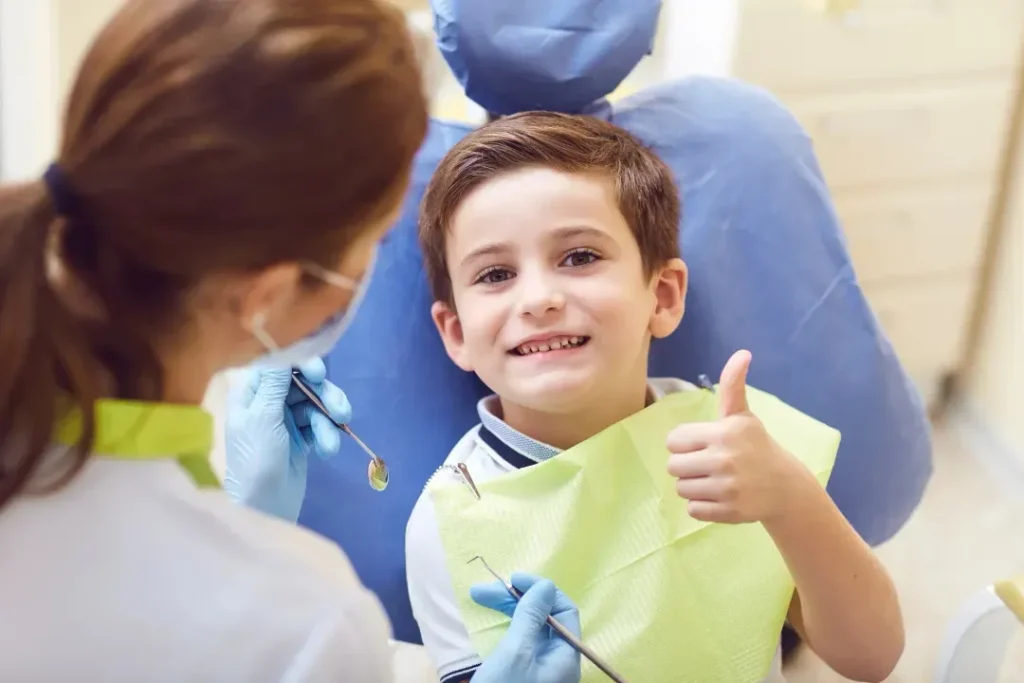
Many children feel nervous about their first dental visit, and that’s completely normal. You can help by using positive language when talking about the dentist, reading children’s books about dental visits, and even role-playing a dental appointment at home. Avoid using words like “hurt,” “shot,” or “pain,” which can create unnecessary anxiety.
We also welcome pre-visit tours of our office so your child can meet our friendly team and explore the environment before their actual appointment. If your child has significant dental anxiety, ask us about our sedation options, including nitrous oxide (laughing gas), which helps anxious patients relax during treatment.
How Can I Help My Child Maintain Good Oral Hygiene Habits?
- Teach them proper brushing and flossing techniques
- Limit sugary snacks and beverages to prevent cavities
- Encourage healthy eating habits rich in fruits, vegetables, and calcium-rich foods
- Schedule regular dental check-ups and cleanings every six months
Frequently asked questions
How do you make pediatric dental visits comfortable for children?
Our pediatric dentistry services create positive experiences that help establish healthy habits for life. We use child-friendly techniques, explain procedures in age-appropriate language, and create a welcoming environment where young patients feel safe and comfortable. Dr. Cruz offers bilingual capabilities for Spanish-speaking families. We address the unique needs of developing smiles while making dental visits something children can look forward to.
When should my child start losing baby teeth, and what should I expect?
Children typically begin losing baby teeth around age 6, starting with the lower front teeth, and continue until about age 12. The process usually follows the same order teeth originally appeared. Slight wiggling is normal, but if a baby tooth becomes very loose due to injury or falls out much earlier than expected, contact our office. Some children may feel discomfort as permanent teeth push through, which can be managed with over-the-counter pain relief and soft foods during the transition period.
What should I do if my child has a dental emergency or injury?
For knocked-out permanent teeth, try to place the tooth back in the socket immediately or keep it moist in milk while seeking emergency care. For baby teeth that are knocked out, don’t attempt to replant them. If a tooth is cracked or chipped, save any pieces and rinse the mouth with warm water. For severe toothaches, rinse with warm water and apply a cold compress outside the cheek. Contact our office immediately for any dental trauma, persistent pain, or swelling to ensure proper treatment and prevent complications.
Are dental X-rays safe for my child, and when are they necessary?
Modern digital X-rays use significantly less radiation than traditional X-rays and are considered very safe for children. We only take X-rays when clinically necessary to diagnose problems not visible during a regular exam, such as cavities between teeth, developmental issues, or potential orthodontic concerns. The frequency depends on your child’s individual risk factors, age, and oral health status. We use protective lead aprons and follow strict safety protocols to minimize exposure while obtaining the diagnostic information needed for optimal care.
At what age should I start considering orthodontic evaluation for my child?
The American Association of Orthodontists recommends children have their first orthodontic evaluation by age 7, even if they still have baby teeth. At this age, we can identify potential spacing, crowding, or bite problems early when intervention may be more effective. Early evaluation doesn’t always mean immediate treatment, but it allows us to monitor development and determine the optimal timing for any necessary orthodontic care. Some issues are easier to correct when the jaw is still growing and developing.