Overcome Dental Anxiety with Sedation Dentistry
Sedation dentistry uses medication to help patients feel calm, relaxed, and comfortable during dental procedures. The level of sedation can range from mild relaxation where you remain fully conscious to deeper sedation where you may have little memory of the procedure. Dr. Hardt, Dr. Cruz, and Dr. Lewis will discuss your anxiety level and medical history to recommend the sedation option best suited to your needs.
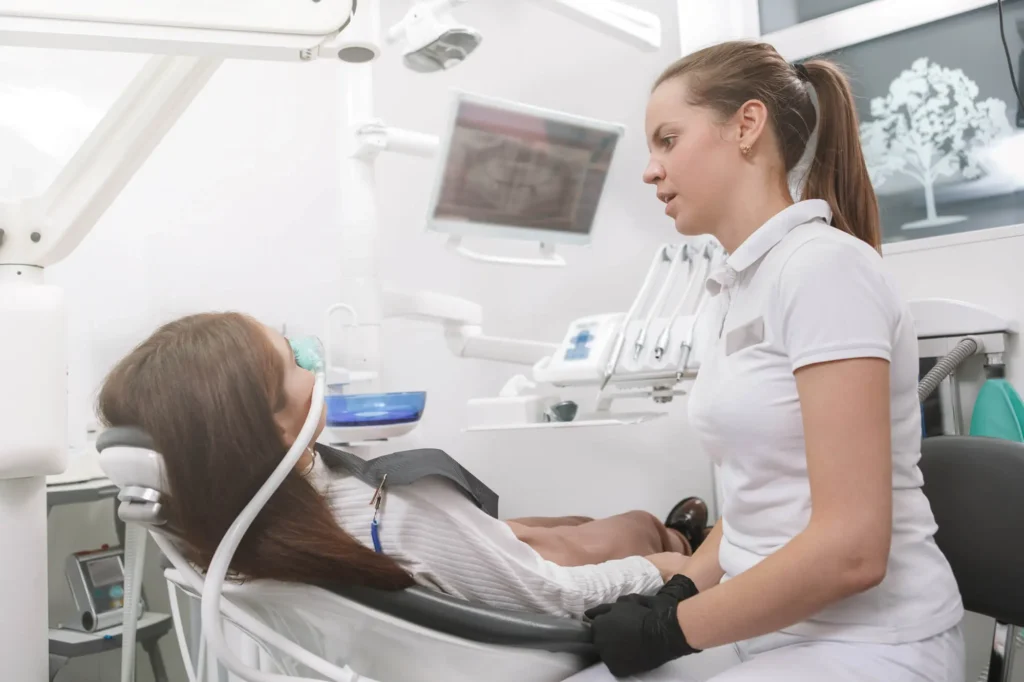
Nitrous oxide is one of the safest and most widely used sedation methods in dentistry. Administered through a small mask placed over your nose, this mild sedative induces a relaxed, floating sensation while allowing you to remain fully conscious and responsive. The effects wear off within minutes after the mask is removed, meaning you can drive yourself home and resume normal activities immediately. Nitrous oxide is an excellent option for patients with mild to moderate anxiety and is safe for both adults and children.
For patients who need a deeper level of relaxation, oral sedation involves taking a prescription medication before your appointment. Depending on the dosage, oral sedation can range from mild to moderate, helping you feel drowsy and deeply relaxed throughout your procedure. While you’ll remain conscious, many patients feel so relaxed that they have little memory of the treatment afterward. Because oral sedation takes time to wear off, you’ll need someone to drive you to and from your appointment.
IV sedation delivers medication directly into your bloodstream for rapid, precise control over your sedation level. This option produces a deeper state of relaxation and is often recommended for patients with severe dental anxiety, those undergoing lengthy procedures like dental implant placement, or patients who have difficulty getting numb with local anesthesia alone. You’ll need someone to accompany you home and should plan to rest for the remainder of the day.

Who Can Benefit from Sedation Dentistry?
- Individuals with dental anxiety or fear
- Patients with a sensitive gag reflex
- Those undergoing extensive dental work in a single sitting
- Individuals with special needs
Is Sedation Dentistry Safe?
When administered by trained dental professionals, sedation dentistry is extremely safe. Our Porterville dental team follows strict protocols, including a thorough review of your medical history, continuous monitoring of vital signs during your procedure, and detailed pre- and post-operative instructions.
Side effects are uncommon and typically mild, including temporary grogginess, slight nausea, or a brief headache. These effects subside quickly after your procedure. We’ll discuss your complete health history to ensure sedation is appropriate for you and answer any questions you have about the process.
How Should I Prepare for Sedation Dentistry?
- Follow any specific instructions provided by Dr. Hardt
- Avoid eating or drinking for a certain period before the procedure
- Arrange for a responsible adult to drive you home afterward
- Bring along any comfort items, such as headphones or a favorite blanket, to help you relax during your visit
- Arrive at your appointment on time to allow for any necessary paperwork or preparations
Frequently asked questions
How do I decide which type of sedation is right for my level of anxiety?
The choice of sedation depends on your anxiety level, the complexity of your procedure, and your medical history. Nitrous oxide works well for mild to moderate anxiety and shorter procedures, allowing you to drive yourself home afterward. Oral sedation is ideal for moderate anxiety and longer appointments, providing deeper relaxation while keeping you conscious and responsive. IV sedation offers the most profound relaxation for severe anxiety, complex procedures, or patients who haven’t responded well to other sedation methods. Our dental team will discuss your concerns and recommend the most appropriate option during your consultation.
Will I remember anything that happens during my procedure with sedation?
Memory retention varies depending on the type and depth of sedation used. With nitrous oxide, you’ll remain fully conscious and will remember the entire procedure, though you’ll feel much more relaxed and comfortable. Oral sedation often creates a drowsy, dream-like state where you may have little to no memory of the procedure. IV sedation typically produces amnesia effects, meaning most patients remember very little or nothing about their treatment. This memory gap can actually be beneficial for anxious patients, as it prevents the formation of negative memories that could increase future dental anxiety.
Can I eat or drink anything before my sedation appointment, and how long do I need to fast?
Fasting requirements depend on your sedation type. For nitrous oxide, no fasting is required, and you can eat normally before your appointment. For oral sedation, avoid eating for 2-3 hours beforehand to prevent nausea, though small sips of water are usually acceptable. IV sedation requires the strictest fasting – typically no food or drink for 6-8 hours before your appointment to prevent aspiration risks. Dr. Hardt will provide specific pre-appointment instructions based on your scheduled sedation type. Always follow these guidelines exactly as directed for your safety.
How long do the effects of sedation last after my appointment?
Recovery time varies by sedation method. Nitrous oxide effects wear off within 5-10 minutes after removing the mask, allowing you to drive home immediately. Oral sedation effects can last 2-6 hours after your appointment, with some grogginess potentially lingering longer. IV sedation recovery begins immediately but you may feel drowsy for several hours, requiring someone to drive you home and stay with you. Plan to rest for the remainder of the day with deeper sedation methods. Avoid important decisions, operating machinery, or consuming alcohol until the medication completely clears your system.
Are there any medical conditions or medications that would prevent me from having sedation?
Certain conditions require extra caution or may prevent some types of sedation. Inform Dr. Hardt about all medications you’re taking, including over-the-counter drugs and supplements, as some can interact with sedation medications. Conditions like severe respiratory problems, uncontrolled high blood pressure, certain heart conditions, or pregnancy may limit sedation options. Sleep apnea requires special monitoring with deeper sedation levels. Age and weight also factor into sedation safety and dosing. During your consultation, we’ll review your complete medical history to determine the safest sedation approach for your specific situation.