
Understanding Sleep Apnea
Sleep apnea is a disorder characterized by repeated pauses in breathing during sleep. These pauses, called apneas, can occur dozens or even hundreds of times per night, disrupting your sleep cycles and depriving your body of oxygen. Most people with sleep apnea are unaware they have it because the breathing interruptions happen during sleep.
There are three main types of sleep apnea:
Obstructive sleep apnea is the most common form and occurs when the soft tissues in the back of your throat collapse during sleep, blocking your airway. This is the type that dentists can effectively treat with oral appliances. Risk factors include excess weight, a narrow airway, being male, age, family history, and use of alcohol or sedatives.
Central sleep apnea is less common and occurs when the brain fails to send proper signals to the muscles that control breathing. This type is typically managed by medical specialists rather than dentists.
Complex sleep apnea, also called treatment-emergent central sleep apnea, is a combination of obstructive and central sleep apnea. Treatment typically requires coordination between dental and medical providers.

Common Signs and Symptoms of Sleep Apnea
During your regular checkups at our Porterville office, we screen for signs of sleep apnea, including worn tooth surfaces from grinding, a scalloped tongue, redness in the throat, and a small or recessed jaw. However, you and your sleep partner may notice symptoms at home as well.
- Loud snoring
- Gasping for air during sleep
- Daytime sleepiness
- Difficulty concentrating
- Morning headaches
- Irritability
Common warning signs include loud, chronic snoring; gasping or choking sounds during sleep; excessive daytime sleepiness; morning headaches; difficulty concentrating; irritability or mood changes; and waking with a dry mouth or sore throat. If you or your partner notice these symptoms, we may recommend a formal sleep study with a sleep specialist for proper diagnosis.
Who Is at Risk for Sleep Apnea?
Several factors increase your risk of developing sleep apnea. These include being overweight or obese, having a naturally narrow airway, being male (though women’s risk increases after menopause), being over age 40, having a family history of sleep apnea, smoking, using alcohol or sedatives, and having nasal congestion or allergies. People with certain medical conditions like high blood pressure, diabetes, and heart disease are also at higher risk.
- Being overweight
- Having a thick neck circumference
- Being male
- Advancing age
- Having a family history of sleep apnea
- Smoking
- Certain anatomical features such as a recessed chin or a large tongue
How We Treat Sleep Apnea
After reviewing your sleep study results and examining your oral structures, Dr. Hardt will recommend the most appropriate treatment approach. For many patients with mild to moderate obstructive sleep apnea, oral appliance therapy provides effective relief.
Custom Oral Appliances
Oral appliance therapy is the primary treatment we provide for sleep apnea. Dr. Hardt creates custom-fitted devices worn during sleep that keep your airway open. The two main types are:
- Mandibular Advancement Devices (MADs): These are the most common type of oral appliance. Dr. Hardt can make custom dental devices that help keep your airways open by adjusting the position of your jaw and tongue. These devices reposition the lower jaw forward to open the airway and prevent collapse during sleep.
- Tongue Retaining Mouthpieces: These devices hold the tongue in a forward position to prevent it from blocking the airway.
Precision Custom Fitting
Dr. Hardt uses detailed impressions of your teeth to create an oral appliance that fits precisely and comfortably. A proper fit is essential for the device to work effectively and for you to wear it consistently. Each appliance is customized to your specific mouth structure and the severity of your sleep apnea.
Coordination with Sleep Physicians
Diagnosing sleep apnea requires a sleep study conducted by a sleep physician. Once you receive your diagnosis, Dr. Hardt works from those results to design your custom oral appliance. Both your dentist and sleep doctor continue to monitor your progress and adjust treatment as needed to ensure the best results.
What to Expect from Treatment
Proper diagnosis comes first: Dentists do not diagnose sleep apnea independently. You’ll need a sleep study from a qualified physician before we can create your oral appliance.
Oral appliances work best for certain patients: These devices are typically recommended for mild to moderate obstructive sleep apnea or for patients who cannot tolerate CPAP therapy.
Ongoing care ensures success: Your treatment requires follow-up appointments so Dr. Hardt can check your progress, make any necessary adjustments, and ensure your appliance remains comfortable and effective.
Additional Treatment Options
Depending on your specific situation, we may recommend additional or alternative approaches to managing your sleep apnea:
Lifestyle Modifications
For some patients, lifestyle changes can significantly improve sleep apnea symptoms. Losing weight, avoiding alcohol and sedatives before bed, sleeping on your side instead of your back, and quitting smoking can all help reduce the severity of obstructive sleep apnea.
CPAP Therapy
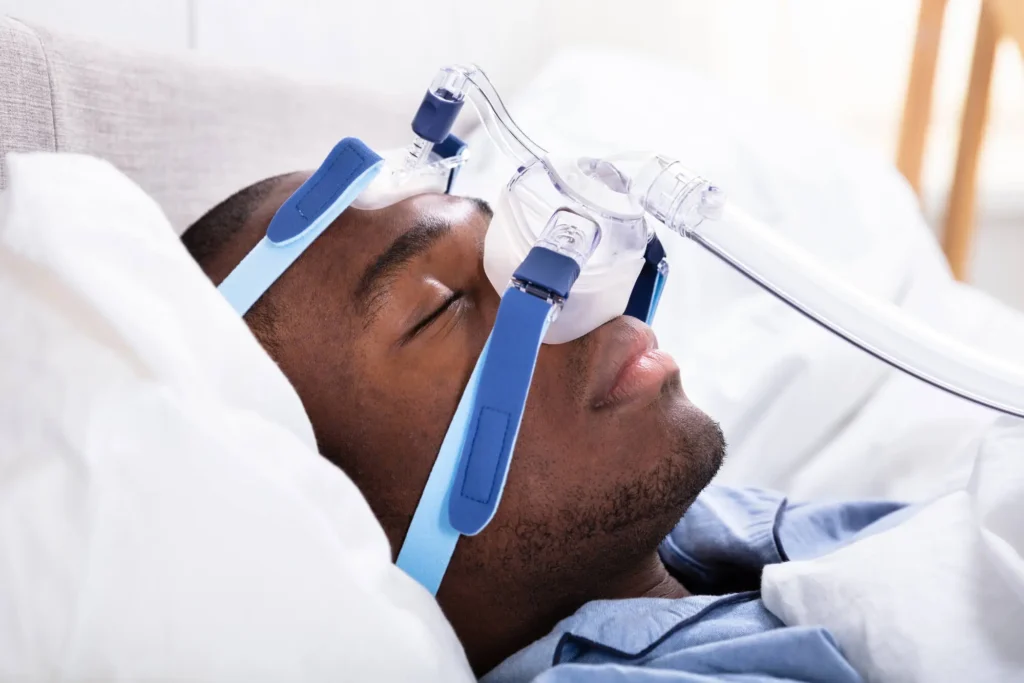
Continuous positive airway pressure (CPAP) machines remain the gold standard treatment for moderate to severe sleep apnea. The machine delivers a steady stream of air through a mask worn over your nose or mouth, preventing airway collapse during sleep. While highly effective, many patients find CPAP uncomfortable or inconvenient, which is why oral appliances have become a popular alternative.
Surgical Options
When conservative treatments aren’t effective, surgical procedures may be considered. Options include uvulopalatopharyngoplasty (UPPP), which removes excess tissue from the throat, and maxillomandibular advancement (MMA), which repositions the jaw to enlarge the airway. We can refer you to appropriate specialists if surgery becomes necessary.
Another option is maxillomandibular advancement (MMA), where the jaw is repositioned to create more space in the airway and improve breathing during sleep.
Frequently asked questions
Can you treat sleep apnea with oral appliances?
Yes, we provide custom oral appliances as comfortable alternatives to CPAP machines for many patients with mild to moderate sleep apnea. These devices work by gently repositioning your jaw to keep your airway open during sleep. Our sleep apnea treatment recognizes the important connection between oral health and overall wellness. We’ll work with your physician to ensure coordinated care for optimal treatment outcomes.
How do custom oral appliances compare to CPAP machines?
Custom dental devices created by Dr. Hardt offer a comfortable alternative to CPAP machines by adjusting the position of your jaw and tongue to keep airways open during sleep. These appliances are smaller, quieter, and more portable than CPAP machines, making them ideal for travel. Many patients find oral appliances more comfortable and easier to adapt to than CPAP therapy. However, the best treatment option depends on the severity of your condition and your individual needs, which we’ll assess during your consultation.
Who is at highest risk for developing sleep apnea?
Several factors increase sleep apnea risk, including being overweight, having a thick neck circumference, being male, advancing age, and having a family history of sleep apnea. Smoking significantly increases risk, as do certain anatomical features such as a recessed chin, large tongue, or narrow airway. While these factors increase likelihood, sleep apnea can affect anyone regardless of age, weight, or gender. If you experience symptoms like loud snoring, daytime fatigue, or gasping during sleep, it’s important to seek evaluation.
What lifestyle changes can help manage sleep apnea symptoms?
Weight loss can significantly improve sleep apnea symptoms, as excess weight contributes to airway obstruction. Avoiding alcohol and sedatives before bedtime helps prevent additional muscle relaxation that worsens airway collapse. Changing sleep position, particularly sleeping on your side instead of your back, can reduce symptoms. Quitting smoking reduces inflammation and fluid retention in the upper airway. These lifestyle modifications work best when combined with professional treatment and can enhance the effectiveness of devices like oral appliances or CPAP therapy.
When might surgical treatment be recommended for sleep apnea?
Dr. Hardt may recommend surgical procedures when conservative treatments like oral appliances or CPAP therapy aren’t effective or appropriate. Uvulopalatopharyngoplasty (UPPP) involves removing excess tissue at the back of your throat to clear airway obstructions. Maxillomandibular advancement (MMA) repositions the jaw to create more airway space and improve breathing during sleep. Surgery is typically considered for severe cases or when anatomical factors significantly contribute to the condition. We’ll thoroughly evaluate your specific situation to determine if surgical intervention would be beneficial.