Returning to the dentist after years away can feel overwhelming. Many patients worry about judgment, discomfort, or the discovery of significant dental problems that have accumulated during their absence.
At Richard Hardt, D.D.S., we understand these feelings and create a welcoming environment for patients who haven’t visited a dentist in years. Our team focuses on rebuilding trust and helping you regain confidence in your smile without judgment or pressure. Dr. Hardt and his associates provide comprehensive care that addresses both immediate concerns and long-term oral health goals.
Understanding the Initial Examination Process
Your first visit after an extended absence includes a comprehensive examination that allows your dentist to assess your current oral health. This appointment typically lasts longer than routine checkups because your dental team needs to gather detailed information about your teeth, gums, and overall oral health.
What Your Dentist Will Check
During this examination, your dentist will visually inspect each tooth for signs of decay, damage, or wear. They will also check your gums for inflammation, recession, or signs of periodontal disease. According to the American Dental Association, some 100 million Americans fail to see a dentist each year, even though regular dental examinations and good oral hygiene can prevent most dental disease. This examination helps identify issues before they become more serious and costly to treat.
Your dentist will also evaluate your bite alignment, jaw joint function, and soft tissues inside your mouth. They may perform an oral cancer screening to check for any abnormalities or warning signs. This thorough assessment ensures nothing is overlooked and provides a complete picture of your oral health.
The Role of X-Rays
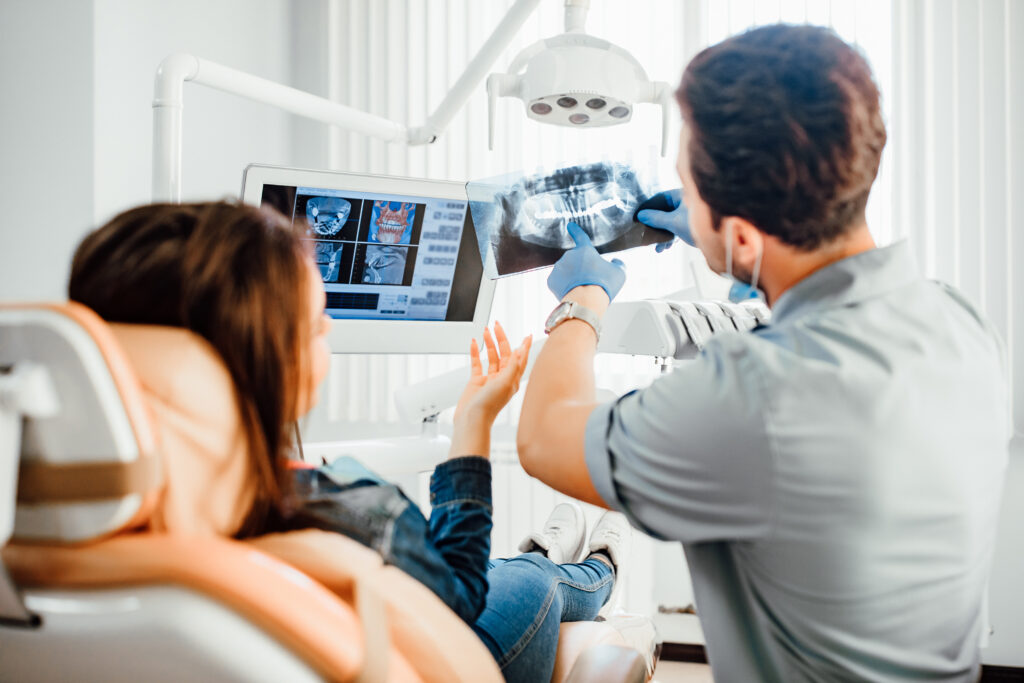
X-rays are typically part of your first visit because they reveal problems not visible during a visual examination. These images show tooth decay, bone loss from gum disease, impacted teeth, and other issues beneath the surface. Your dentist will explain what the x-rays reveal and discuss any findings in clear, understandable terms. This diagnostic information helps create an accurate picture of your oral health and guides treatment recommendations.
What Happens After the Examination
Following your examination, your dentist will discuss their findings with you in detail. This conversation covers any current dental problems, potential issues that may develop, and recommended treatments. Your dental team will prioritize treatments based on urgency and work with you to create a manageable plan.
If you need multiple procedures, your dentist will likely suggest addressing the most pressing concerns first. Emergency issues like infections or severe pain take priority, followed by treatments that prevent further damage. Less urgent cosmetic improvements can often wait until essential work is complete. This phased approach makes extensive dental work more manageable both financially and emotionally.
Creating Your Treatment Plan
Your personalized treatment plan considers several factors:
- Immediate needs: Pain relief through emergency dental care, infection control, or urgent repairs to damaged teeth
- Preventive care: Professional cleanings, sealants, or fluoride treatments to protect healthy teeth from future damage
- Restorative work: Fillings, crowns, or other repairs for teeth affected by decay or trauma
- Long-term goals: Cosmetic improvements or orthodontic treatments you may desire to enhance your smile’s appearance
This approach ensures you receive necessary care while respecting your budget and comfort level. Your dentist will explain each recommended treatment, including what it involves, why it matters, and what happens if you delay or decline it. This transparency helps you make informed decisions about your oral health and build a treatment timeline that works for your circumstances.
Managing Anxiety and Building Comfort
Dental anxiety affects many people, especially those returning after years away. Your dental team can help you feel more comfortable through several approaches. Communicating your concerns openly helps your dentist adjust their approach to meet your specific needs and comfort preferences.
Many practices offer sedation options for anxious patients. Nitrous oxide is a safe and effective sedative agent that is mixed with oxygen and inhaled through a small mask that fits over your nose to help you relax during procedures. Other practices may offer oral sedation or other comfort measures. Discussing these options during your first visit enables you to understand what support is available for future appointments.
Taking breaks during treatment, using headphones to listen to music, or establishing hand signals with your dentist can also reduce anxiety. Your comfort matters, and a good dental team will work with you to find strategies that help you feel safe and relaxed during your visits.
Get the Compassionate Care You Deserve at Richard Hardt, D.D.S.
Dr. Richard Hardt and his team welcome patients who haven’t visited a dentist in years with understanding and patience. With over 34 years of experience, Dr. Hardt specializes in helping patients overcome dental anxiety and restore their oral health through comprehensive, judgment-free care. Our practice offers same-day emergency care, professional cleanings, and restorative services, including crowns, bridges, and dental implants, to address any concerns you may have. Dr. Irene Cruz and Dr. Jackson Lewis also provide exceptional care for patients seeking to rebuild their dental health.
Don’t let time away from the dentist prevent you from achieving the healthy smile you deserve. Contact us today to schedule your comfortable, no-pressure first visit and take the first step toward better oral health.