What is an Oral Cancer Screening?
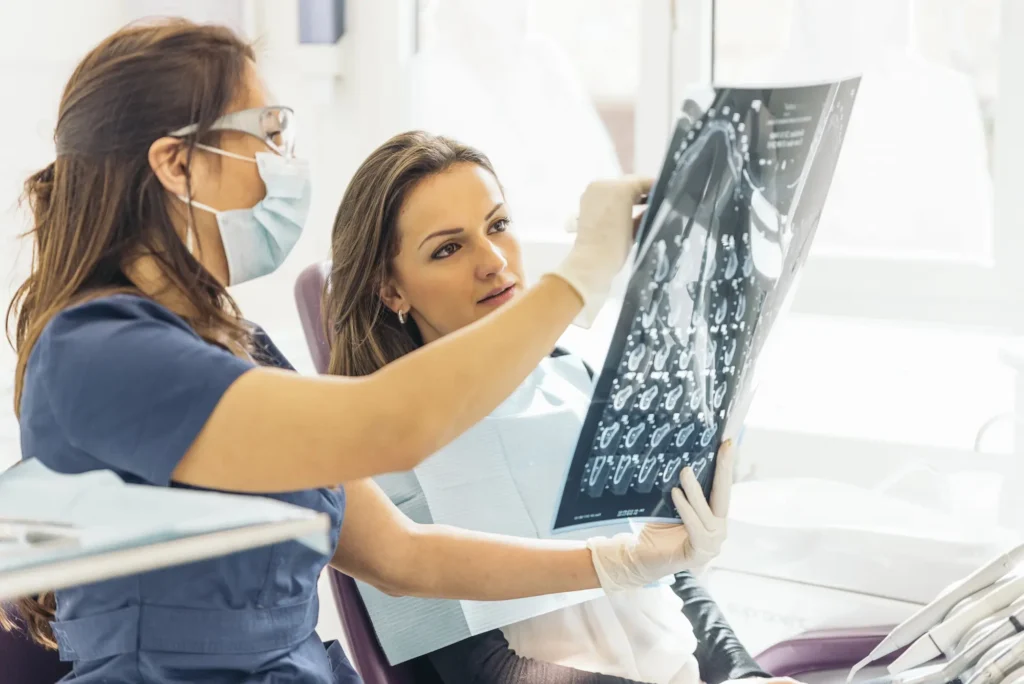
If Dr. Hardt or Dr. Cruz find any signs of oral cancer, he will order a biopsy to test the cells in your mouth. This process helps determine if the disease has advanced and how to treat it
Who Needs an Oral Cancer Screening?
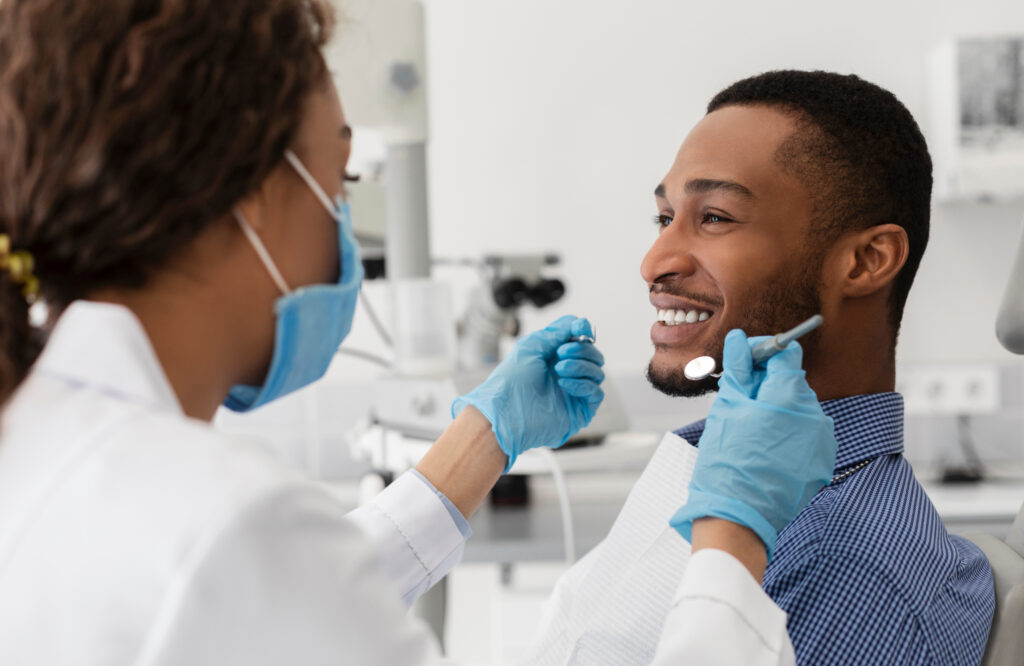
Oral cancer screenings are beneficial for everyone, especially for individuals who are at a higher risk due to factors such as a history of oral cancer or HPV infection.
How Often Should I Get Screened for Oral Cancer?
Dr. Hardt and Dr. Cruz advise that patients receive a screening as part of their regular dental check-up, which may be once or twice a year. However, those at higher risk may need more frequent screenings.
You should also book an oral cancer screening if you experience one or more of the following symptoms:
- Loose teeth
- Sore throat
- Bleeding sores
- Difficulty swallowing
- Pain in the tongue or jaw
- Mouth sores that don’t heal
- Thickening skin growth on the lining of the mouth
How Is Oral Cancer Treated?
Depending on what stage your cancer is at, you will need a referral for surgery to remove the tumor. You may also need to undergo exploratory surgery to determine if the cancer has spread to other areas of your body, including your head and neck.
Dr. Hardt and Dr. Cruz work with your cancer specialist following your treatment to monitor your health.
Frequently asked questions
What happens during an oral cancer screening at your office?
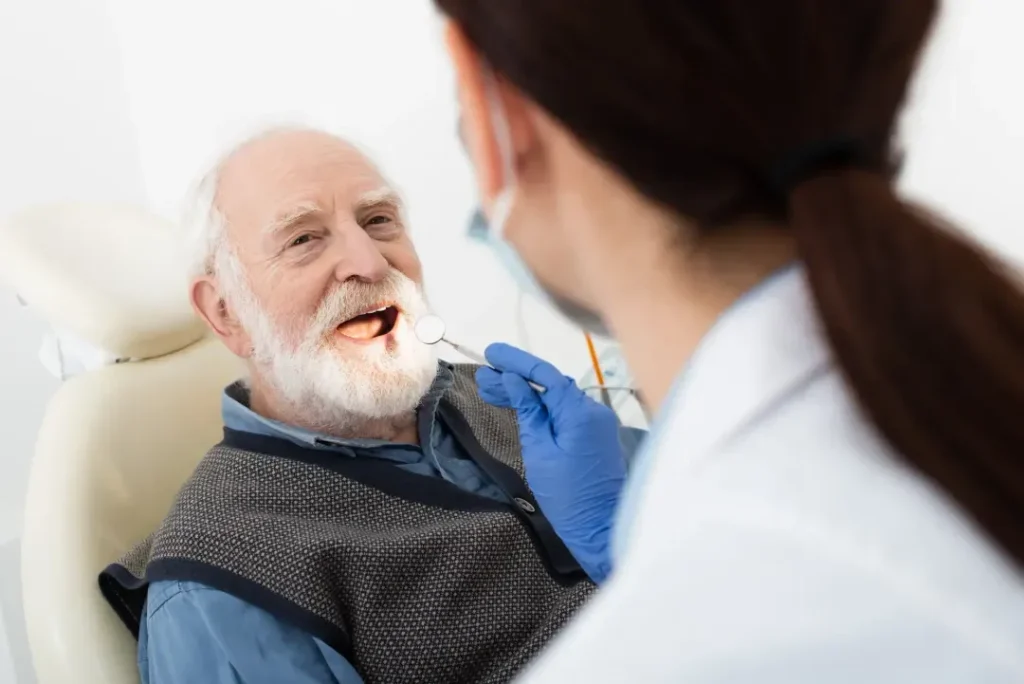
Dr. Hardt or Dr. Cruz will conduct a comprehensive examination of your entire mouth, including your lips, tongue, cheeks, throat, and the roof and floor of your mouth. They look for any signs of abnormality such as sores, discolored tissues, or unusual growths. The screening includes both a visual examination and a physical examination where they feel the tissues in your mouth for lumps or abnormalities. Special tools or dyes may be used to help identify suspicious areas that require further attention.
How often should I get an oral cancer screening?
We recommend oral cancer screenings as part of your regular dental check-ups, typically once or twice a year depending on your individual risk factors. Patients at higher risk due to factors like tobacco use, heavy alcohol consumption, HPV infection, or family history of oral cancer may need more frequent screenings. The screening is quick, painless, and can be easily incorporated into your routine preventive dental visit for optimal protection.
What warning signs should prompt me to schedule an immediate screening?
You should contact our office right away if you experience persistent mouth sores that don’t heal within two weeks, loose teeth without obvious cause, persistent sore throat, bleeding sores, difficulty swallowing, unexplained pain in your tongue or jaw, or thickening skin growths on the lining of your mouth. Early detection is crucial for successful treatment, so don’t ignore these symptoms or assume they’ll resolve on their own.
Who is at higher risk for developing oral cancer?
Higher risk factors include tobacco use in any form, heavy alcohol consumption, HPV infection, excessive sun exposure to the lips, previous history of oral cancer, age over 40, and being male. However, oral cancer can affect anyone, including young people and those with no risk factors. This is why we recommend regular screenings for all our patients as part of comprehensive preventive care, regardless of perceived risk level.
What happens if something concerning is found during my screening?
If Dr. Hardt or Dr. Cruz identifies any areas of concern during your screening, they will order a biopsy to test the cells and determine if cancer or precancerous conditions are present. This additional testing helps determine the exact nature of the abnormality and the most appropriate treatment approach. We work closely with specialists and will coordinate your care to ensure you receive prompt, comprehensive treatment if needed while monitoring your ongoing health.